

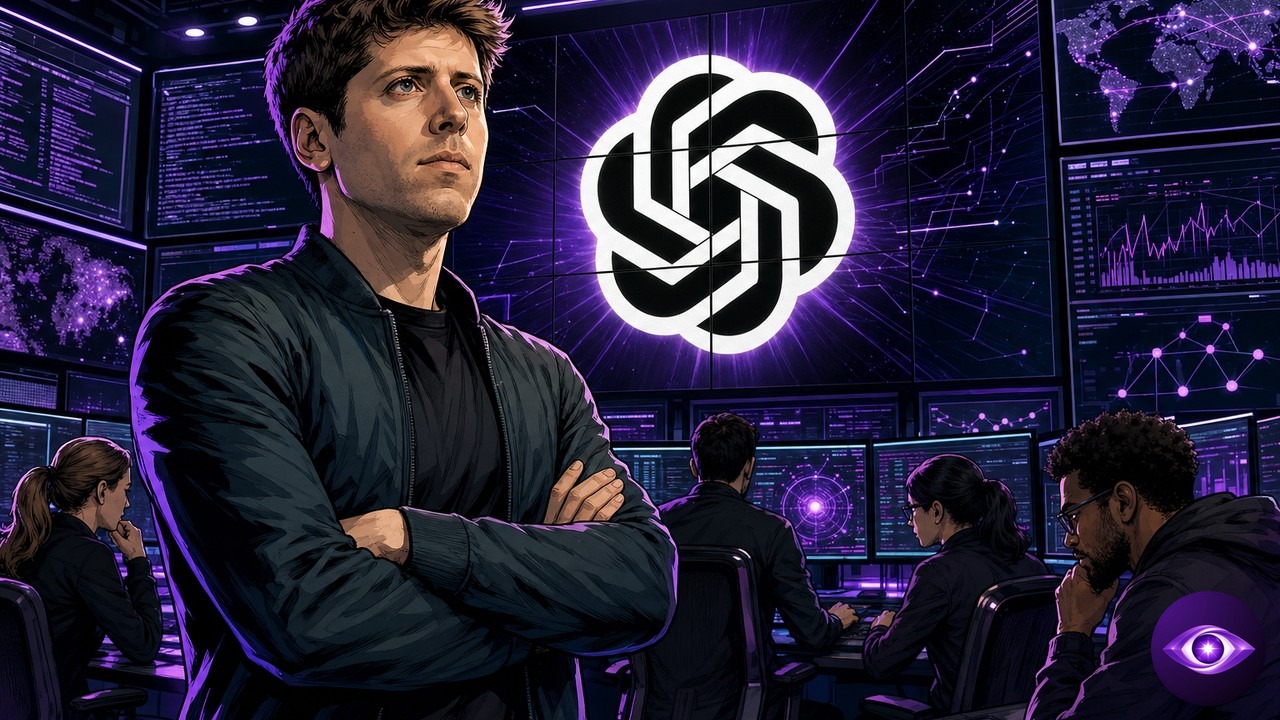
On May 10, 2026, OpenAI unveiled Daybreak: a cybersecurity platform combining GPT-5.5, its most powerful model to date, with Codex Security, an agent capable of analyzing an entire code repository, modeling threats, and proposing verifiable fixes in isolated environments. It is a direct response to Anthropic’s Project Glasswing, already adopted by Apple, Microsoft, Google, and Amazon. The race between the two labs to secure global software has begun.
Key Takeaways
- Daybreak is built on three model tiers: GPT-5.5 (general use), GPT-5.5 Trusted Access for Cyber (verified defense), and GPT-5.5-Cyber (authorized red teaming and penetration testing)
- Over 20 security partners are already integrating the platform, including Cloudflare, CrowdStrike, Palo Alto Networks, Cisco, Oracle, and Akamai
- GPT-5.4-Cyber, the predecessor released in April 2026, already helped fix more than 3,000 vulnerabilities; Daybreak aims to scale that pace
What Daybreak Actually Does
The name was chosen deliberately. “Daybreak” evokes the first light of morning. OpenAI’s metaphor is explicit: see risks earlier, act before they are exploited.
At the core of the platform is Codex Security. The agent builds an editable threat model from a code repository, focusing on realistic attack paths and high-impact code. It identifies and tests vulnerabilities in an isolated environment, then submits fixes for human review. No autonomous remediation.
The scope covers code review, dependency analysis, patch validation, and auditable proof generation. OpenAI’s central claim on speed is straightforward: analysis time can drop from several hours to minutes through more efficient token usage, with Codex Security validating results in sandboxed environments.
Codex Security is not an entirely new product. Launched in March 2026 as OpenAI’s application security agent, it is repositioned with Daybreak: from a code assistance tool to a full enterprise security platform. The shift in scale is significant.
The underlying logic has been consistent from the start: give defenders a structural edge over attackers, before comparable capabilities spread elsewhere.

Three Access Tiers, a Network of Partners
Daybreak’s distribution architecture matters as much as its technical capabilities. The platform is built around three access levels designed for distinct use cases.
GPT-5.5, which forms the base layer, is the first OpenAI model to reach the “High” threshold in cybersecurity under the company’s Preparedness framework. That threshold means the model is capable enough on offensive tasks to require specific safeguards. GPT-5.5 Trusted Access for Cyber adds a verification layer for defense teams. GPT-5.5-Cyber, announced on May 7, 2026, lifts restrictions on security-related tasks for verified defenders.
Starting June 1, 2026, the highest tier will require enhanced anti-phishing authentication. A precaution that signals OpenAI is fully aware of the sensitivity of the access it is opening up.
On the partner side, more than 20 security players are already integrating the platform: Cloudflare, CrowdStrike, Palo Alto Networks, Cisco, Oracle, and Akamai are among the first adopters. Dane Knecht, Cloudflare’s CTO, described the combination of GPT-5.5 and Trusted Access for Cyber as “a major step forward” for teams seeking to improve their security posture.
Sam Rubin, Senior Vice President of Unit 42 at Palo Alto Networks, noted that early access was already enabling the identification of complex attack paths and their translation into real-time proactive protection. Operational results before the official launch.
Also on Horizon:
- Unity AI Open Beta: An AI Agent Built Into the Unity 6 Editor
- SuperSplat: Scan Any Home in 3D With Your Smartphone
- Seedance 2.0: ByteDance’s AI Video Tool Rattles Hollywood
A Platform War to Secure Global Software
The context in which Daybreak arrives is one of open competition. In April 2026, Anthropic launched Project Glasswing around Claude Mythos Preview, a model deemed too powerful for public release. Mozilla revealed that the model had identified and fixed 271 unknown vulnerabilities in Firefox. Apple, Microsoft, Google, Amazon Web Services, and JPMorganChase joined the coalition.
OpenAI responds point by point. Daybreak arrives with more than 3,000 vulnerabilities already fixed via GPT-5.4-Cyber before the official launch, and a comparable partner ecosystem in scale. Sam Altman stated he wants to work with “as many companies as possible” to secure their software on an ongoing basis.
The logic from both labs is identical: give defenders a structural head start before comparable capabilities spread. Anthropic is also developing agents with persistent memory, a direction that could eventually strengthen the continuity of long-term security analysis.
According to Anthropic, models with comparable capabilities could emerge from other players within six to eighteen months. The window is narrow. Companies that have not yet structured their response risk being exposed to a flood of CVEs without the operational capacity to handle them.
Follow the story on Horizon.