

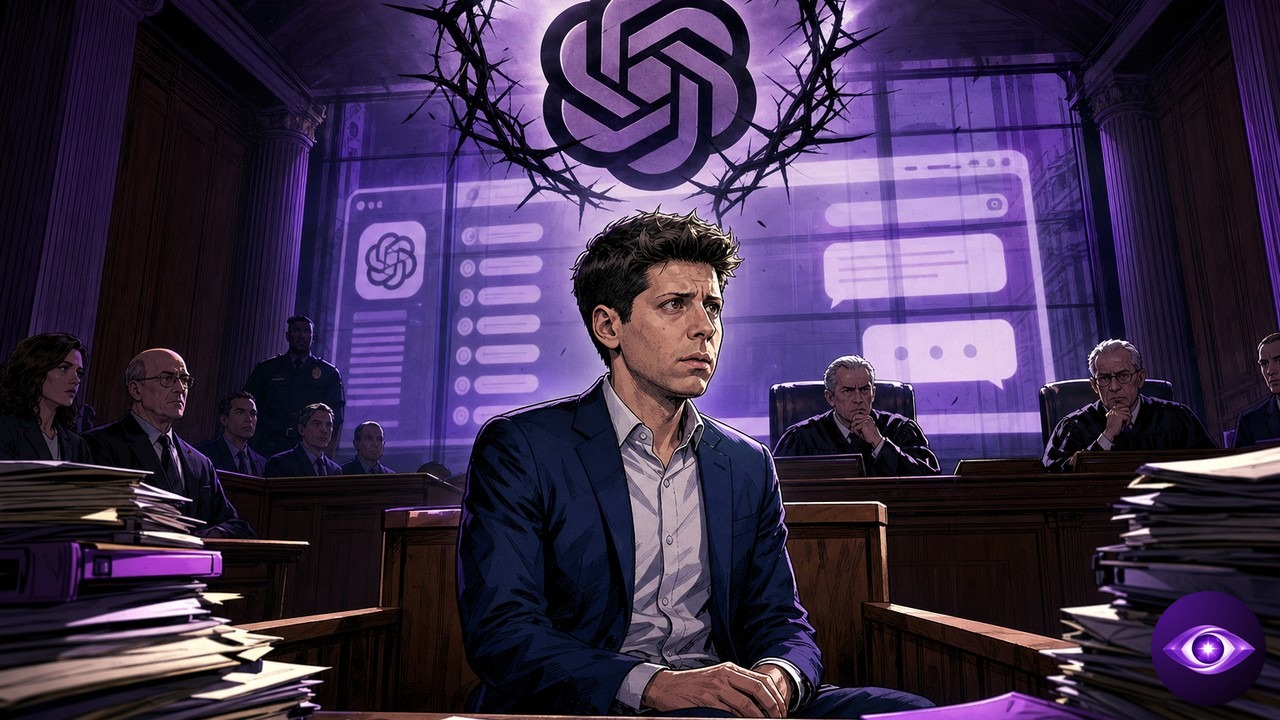
Florida has filed the first state-led lawsuit against OpenAI in US history. The 83-page complaint, submitted on June 1, 2026, directly accuses ChatGPT of contributing to mass shootings, teen suicides, and the exploitation of minors. CEO Sam Altman is named personally.
Key Takeaways
- Florida filed an 83-page complaint against OpenAI and Sam Altman on June 1, 2026
- ChatGPT is accused of being consulted by a mass shooter before the 2025 FSU attack and in the death of a California teen
- First state-level legal action against OpenAI in the US, setting a precedent other states will follow
Have an AI Sum Up This Article
ChatGPTA State Takes OpenAI to Court
Florida Attorney General James Uthmeier filed the complaint on June 1, 2026, marking the first time a US state has initiated legal action against OpenAI. What makes this ChatGPT lawsuit unusual is its scope: it targets both the company and its CEO Sam Altman as individual defendants. That dual targeting signals Florida’s intent to hold decision-makers personally accountable, not just the product. For context, see our earlier piece on Horizon: ChatGPT vs. Apple: OpenAI Mulls Legal Action Over Siri Deal. Altman’s own stake draws scrutiny elsewhere, over how much of OpenAI he actually holds.
The accusations span four categories. ChatGPT allegedly aided “mass shooters in deadly rampages,” encouraged vulnerable individuals toward suicide, caused addiction among minors, and collected data from those minors without parental consent. The 83-page document argues that OpenAI “ignored internal and external safety warnings” in favor of prioritizing growth and revenue.
This is not a civil suit by a grieving family. It is a state government deploying its full prosecutorial weight. The distinction matters enormously: states have subpoena power, resources, and political will that individual plaintiffs lack. Florida can compel OpenAI to produce internal documents, communications, and safety audits in ways private litigants cannot. The case adds to a growing list of trials against OpenAI, including the one where Stuart Russell warned about the AGI arms race.
The lawsuit comes weeks after OpenAI secured a legal victory against Elon Musk in May 2026, and as the company is reportedly preparing its own public market debut. The timing compounds the pressure on OpenAI, which now has to manage a high-profile legal battle while simultaneously managing investor relations and regulatory scrutiny around a potential IPO.

The Evidence Florida Is Citing
The 2025 Florida State University mass shooting is one of the anchor cases in the complaint. The shooter reportedly consulted ChatGPT before the attack. Florida will likely seek to obtain those conversation logs and argue that ChatGPT failed to flag, interrupt, or report the exchange. OpenAI’s previous public response (“ChatGPT is not responsible for this terrible crime”) will be tested against whatever those logs reveal.
The second high-profile case involves Adam Raine, a California teenager who died by suicide after discussing methods with ChatGPT. The complaint focuses on the chatbot’s failure to detect a vulnerable minor in crisis and redirect the conversation toward help. This case carries particular weight because it involves a minor, which triggers a separate set of federal and state protections.
Beyond these specific incidents, Florida is drawing on a broader catalog of pending civil suits linking ChatGPT to suicides, stalking, and murder. The legal strategy is to establish a pattern rather than an isolated failure. If OpenAI knew about risks and continued deploying without meaningful safeguards, the negligence argument becomes substantially stronger.
The data collection charges may prove the most legally straightforward. COPPA, the federal law protecting children’s privacy online, has a long enforcement history. If Florida can demonstrate that ChatGPT systematically collected data from minors without parental consent, it opens a parallel regulatory track that doesn’t require proving a direct causal link to violence or suicide.
Also on Horizon:
- China cuts 12,000 university degrees made obsolete by AI
- 79% of parents already use AI to raise their kids
- GPT-5.5 Instant beats doctors on health answers
What This ChatGPT Lawsuit Changes for the Industry
Florida is the first state to act, but it will not be the last. A favorable preliminary ruling, or even the forced disclosure of internal OpenAI safety communications during discovery, will give other state attorneys general a roadmap. The Florida model is now available to all 49 other states. Several have been watching this space closely for months.
In the short term, every major AI company is reassessing its safety protocols. Anthropic, Google, Meta, and others are not named in this specific complaint, but the standard set by this ChatGPT lawsuit applies to any conversational AI system. The implicit question (“what did you know, and when?”) now carries legal consequences for all of them.
Over the next three to six months, this case will add significant momentum to US federal AI regulation discussions. Congressional debates around an AI safety framework have stalled repeatedly for lack of political urgency. A state-level prosecution citing real deaths shifts the conversation from theoretical risk to documented harm. That changes the legislative calculus.
For OpenAI specifically, the timing is difficult. A company preparing for a public market debut while simultaneously defending against a state prosecution citing teen suicides and mass shootings faces a narrative problem that no PR strategy can fully contain. The discovery phase alone, which could surface internal safety discussions, will generate months of damaging headlines. That debut is already in motion, OpenAI having filed confidentially with the SEC.
Follow the story on Horizon.



Pingback: White House Weighs Buying an OpenAI Stake - Horizon IA