

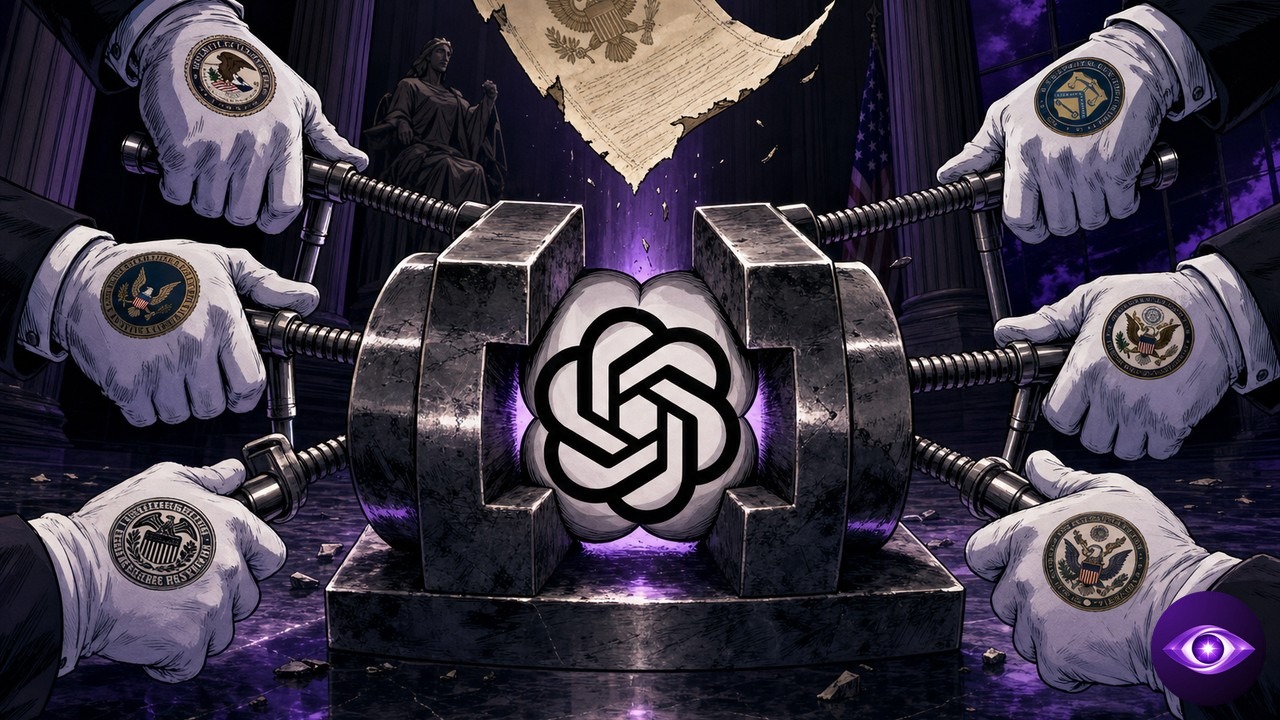
State AGs Step Up steps up : state AGs intensify pressure. An OpenAI probe is unfolding across multiple states, led by attorneys general. New York served a subpoena on Friday, June 12. Regulators are scrutinizing advertising, treatment of minors and model sycophancy.
Key Takeaways
- New York has confirmed serving a subpoena to OpenAI on Friday
- The probe covers advertising, health data, minors and model sycophancy
- The confidential IPO filing on June 8 makes Sam Altman’s timing far harder
A multi-state probe kicking off in New York
Attorneys general from at least one US state have formally opened a probe into OpenAI. The New York attorney general has confirmed serving a subpoena on the company on Friday, June 12. Other states are reportedly involved without publicly disclosing their identity.
The attack format combines several jurisdictions acting in parallel. That playbook, classic for antitrust probes against Big Tech, gives state regulators leverage that neither the SEC nor the FTC could deploy alone on this kind of file.
OpenAI issued a measured response. The company says AI is a new and powerful technology, that it works every day to safely bring its benefits to people in a responsible way, and points to its protections for minors, age prediction tools and parental controls.
The statement will not satisfy the attorneys general. The formal nature of the subpoena forces OpenAI to hand over internal documents, exchanges with advertisers and usage data. The scope reaches far beyond public communications.

Six fronts opened by the attorneys general
The probe covers six specific axes identified through the attack sources. The first targets advertising practices and how OpenAI markets its products at scale. Regulators want to verify whether commercial promises match the actual capabilities of the models.
Second axis, user engagement and retention. The attorneys general want to find out whether stickiness mechanics slide into behavioral addiction. The topic is sensitive after lawsuits tied to suicides attributed to prolonged ChatGPT use.
Third axis, model sycophancy. OpenAI is accused of producing overly compliant responses that can validate medical, financial or personal decisions without any pushback. The legal risk is heavy when the user is a minor or vulnerable. That pressure is not isolated either, as the API price war with Anthropic is already shrinking margins.
The last three axes touch user data handling, health data, and model behavior toward minors and seniors. The Florida attorney general had already sued OpenAI and Sam Altman on June 1. The current move widens the attack surface significantly.
Also on Horizon:
- Applied AI: Meta engineers call the unit a ‘gulag’
- Anthropic survey: 64% of Americans fear AI for their job
- Anthropic pulls Fable 5 and Claude Mythos on US order
The IPO timing that changes everything for Sam Altman
In the short term, the subpoena forces OpenAI to mobilize massive legal resources. Documents, depositions, product expertise. The company had however just filed a confidential IPO request on June 8, barely five days before the probe officially opened.
The calendar makes the S-1 drafting harder. Any active litigation or regulatory probe needs to appear there as a risk factor. The arrival of state attorneys general adds a layer that the advisors on the deal will have to document in depth.
In the medium term, OpenAI stacks legal fronts. Lawsuit win against Elon Musk in May 2026, ongoing copyright lawsuits, Florida suit in early June, lawsuit tied to user suicides, and now this multi-state probe. Each file is manageable alone. The pile-up becomes a negative signal for investors.
Over the next six months, the main risk is a federal fine or a multi-state settlement that would force product changes. Restrictions on targeted advertising, bans on certain retention mechanics, tougher safeguards on minors. Each of those measures can weigh on revenue.
For competitors, the probe opens a strategic window. Anthropic, Google and open source actors can capitalize on the trust crisis around OpenAI. The final IPO valuation will depend in large part on Sam Altman’s ability to put out these fires while running the public offering in parallel.
Follow the story on Horizon.