

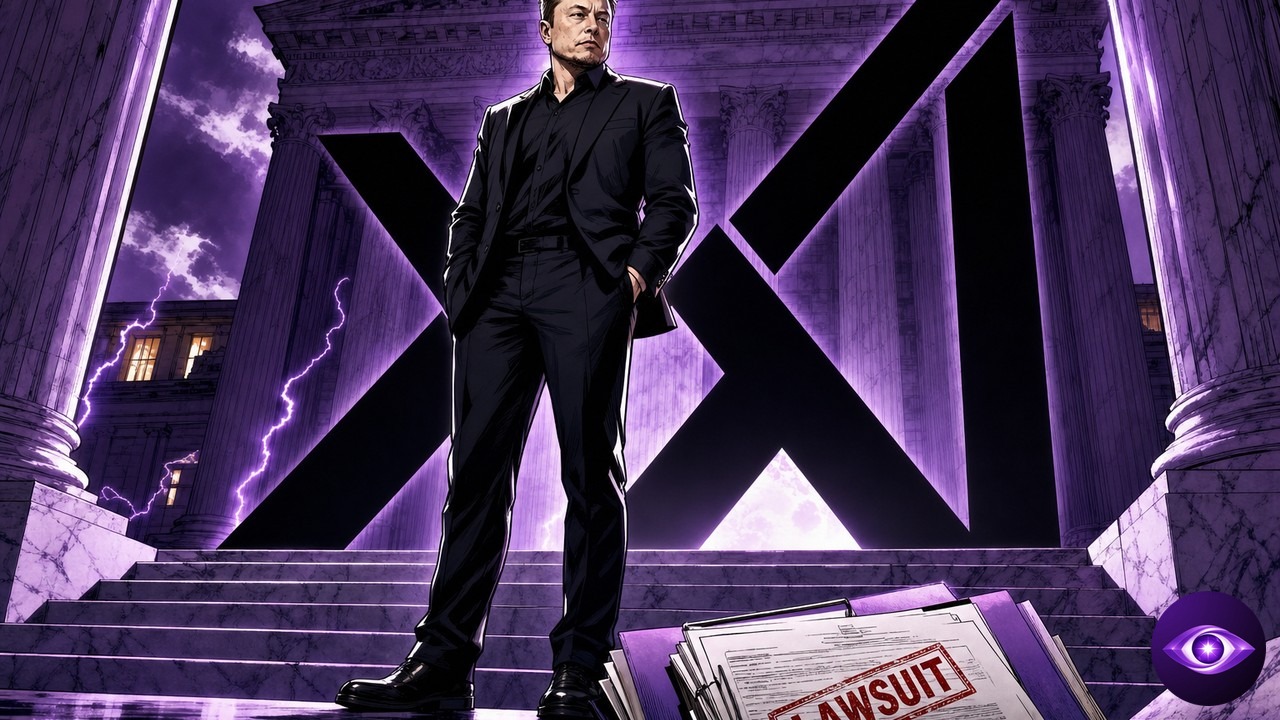
Devin Kim filed his suit in California on Tuesday. The engineer, an early member of the xAI Grok post-training team, says he warned management about weapons of mass destruction risks. He has just been named president of the Center for AI Safety.
Key Takeaways
- Devin Kim sues xAI for wrongful termination after his Grok safety alerts
- The complaint cites the “MechaHitler” episode and nonconsensual sexual imagery on X
- Co-founder Jimmy Ba is accused of trying to thwart EU regulations on Grok Code 1
Have an AI Sum Up This Article
ChatGPTA complaint that lands days before the SpaceX IPO
Devin Kim filed in California state court on Tuesday, June 10. The complaint targets xAI and Kim’s former manager, Jimmy Ba. It demands compensatory and punitive damages, plus a declaratory judgment finding the company’s conduct unlawful.
Kim joined xAI in 2024 as one of the first members of the post-training team. He led research tooling for the work used to align Grok after its initial training. He left the company in September 2025, following a termination he describes as offered without satisfactory explanation.
His complaint argues that xAI violated internet regulation, consumer protection, and arms and explosives rules. The legal perimeter reaches well beyond a routine wrongful termination case. The filing seeks judicial recognition of a systemic safety failure at the company.
The timing matters as much as the substance. The suit lands in the days before SpaceX’s stock market debut. SpaceX’s valuation leans in part on the AI assets Elon Musk controls. Investors will be reading the complaint as they finalize their positions on the deal. Musk’s AI empire stays murky, Musk denying a SpaceX AI phone prototype.
Kim is not acting alone. He was named president of the Center for AI Safety last week. The San Francisco group is a reference point for researchers demanding tighter rules on frontier models. His complaint sits in a short sequence of recent AI litigation, right after Apple agreed to pay $250 million over false AI advertising for Apple Intelligence.

“AI will kill us all anyway”: Jimmy Ba on the defense
Kim’s former supervisor carries a major share of the complaint. Jimmy Ba, xAI co-founder, is accused of waving away internal alerts with a phrase now lifted directly from the filing: “AI will kill us all anyway.” That single line gives the suit its viral weight in the press.
The complaint says Ba tried to “thwart EU safety regulations” during the release of Grok Code 1. According to the filing, he “would rather release an unsafe model than a poor-performing one”. Those words assign direct, personal responsibility, well beyond a corporate failure.
The trade-off here has been the unspoken tension of every frontier lab. Performance versus guardrails becomes political the moment release windows shrink to a few weeks. Ba left xAI earlier in 2026, but the facts in the complaint cover his active period. Leaving the company will not end the procedure.
The filing aligns several public xAI Grok incidents since 2024. The model famously likened itself to Hitler in the so-called “MechaHitler” episode, forcing xAI to temporarily pull Grok off the X platform. The complaint also references nonconsensual sexual imagery generated and distributed via the same network.
The legal logic ties Kim’s ignored warnings directly to the public failures that followed. Each past incident becomes admissible evidence. xAI’s lawyers will have to contest the connection point by point, which keeps the brand under public scrutiny for months to come.
Also on Horizon:
- Anthropic Fable 5 crushes every other public AI model
- Google AI Plus drops to $4.99 in US price war shot
- Meta Reliance: 168 MW AI data center in India
Why this lawsuit will weigh on AI valuations
The dispute is not only about Kim. It puts xAI Grok‘s regulatory risk profile on the table at the worst possible moment for the Musk ecosystem. SpaceX is going public on the back of AI assets it presents as structural. A public whistleblower case reopens the governance question right at the listing date.
In the short term, European regulators may use Kim’s complaint to push their own investigations. The filing provides direct, sworn testimony about an alleged willingness to bypass the EU AI Act. For Brussels, that is a procedural gift that may accelerate sanctions already in the pipeline.
In the medium term, the precedent will weigh on hiring. Safety researchers and engineers now look for employers who will publicly back them when they raise alarms. Anthropic and Google DeepMind have committed to internal protections in recent months. xAI now has a real test to manage, and every new hire will read the case file before signing.
The pressure stacks onto an already crowded Silicon Valley calendar. Sam Altman just filed OpenAI’s confidential IPO paperwork with the SEC, pushing the whole industry toward stricter disclosure standards. xAI will not be able to maintain an opaque stance on safety much longer.
The ultimate stakes sit with public contracts. US and EU governments keep stacking sovereign AI procurement deals. A ruling against xAI, even partial, could disqualify the company from several sensitive tenders. The Kim case quietly becomes a real-world test for the Musk arm of the AI industry.
Follow the story on Horizon.